
What is the Energy Performance Certificate
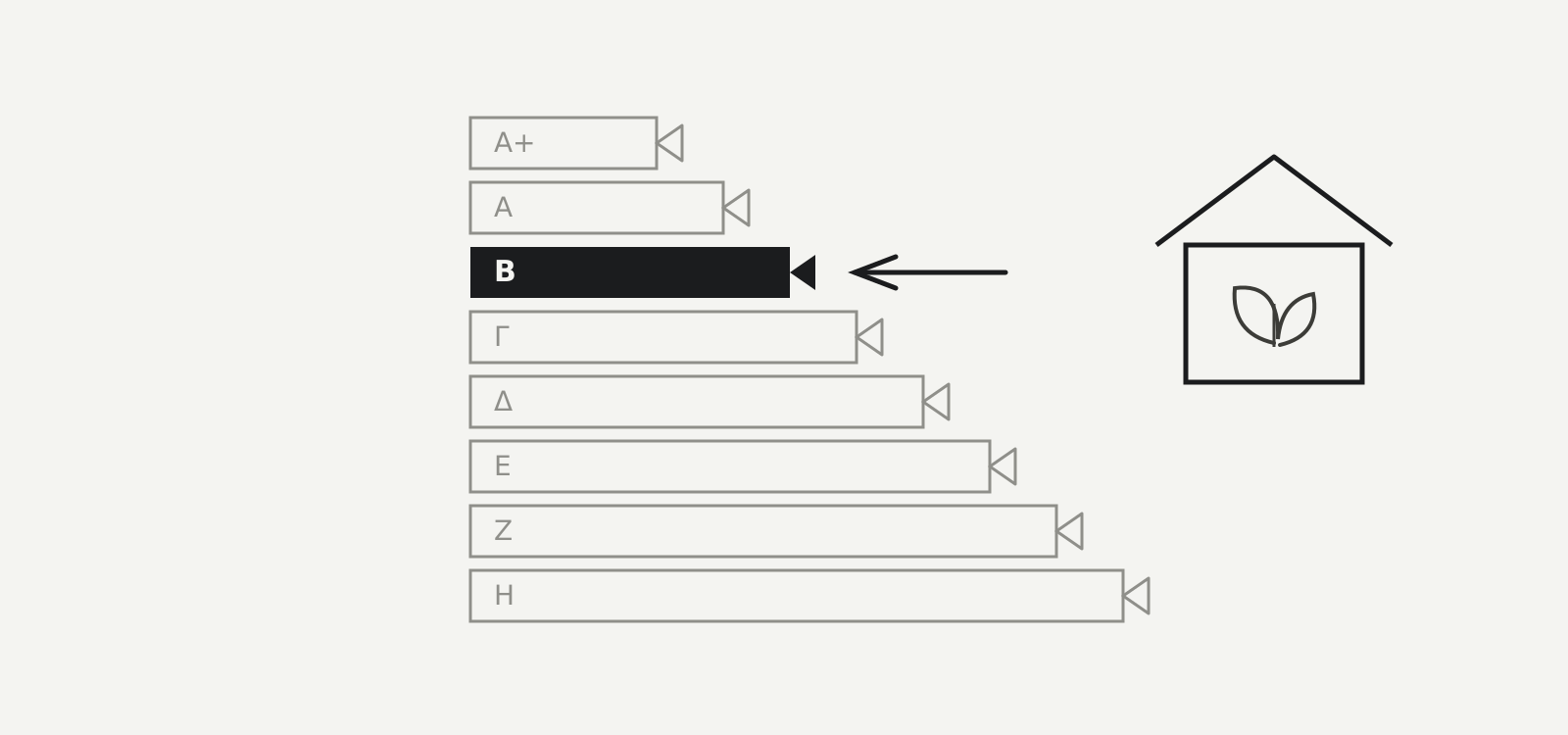
The Energy Performance Certificate is a record of a building's energy consumption — its energy identity. The certificate reflects a comparison with an ideal building of the same dimensions. This comparison yields the energy class, with A+ being the best, followed by A, B+, B, C, D, E, F, down to class H, the most energy-consuming category of building.
An Energy Performance Certificate is mandatory for renting or buying a building, house or apartment. It is also required for the "Exoikonomo Kat' Oikon" (Home Energy Savings) program, which subsidizes energy upgrades of residences by up to 70%.
According to EU directives, buildings in the European Union must acquire an energy identity, recording the building's energy consumption in electricity, natural gas, oil and renewable energy sources.
Energy certificate — page 1
At the top right is the certificate's identification number. This code is used by notaries and the tax authority to identify the property.
It is followed by the use and general information of the building or apartment: number, address, postal code, year of construction, floor area and owner's name.
The energy performance rating, from A+ to H, gives the building's energy class. In practice, the figure results from the comparison with the reference building — the ideal building with the dimensions of our own. Class B means our home is energetically equal to or better than the reference building. Buildings constructed today must have an Energy Performance Certificate of class B or better.
At the bottom of the rating section, the annual consumption in kilowatt-hours per square meter is listed in detail, both for the reference building and for the building being assessed, along with data such as annual carbon dioxide emissions.
Energy certificate — page 2
The second page covers the energy used — electricity, oil, natural gas or renewable energy sources — and each form's contribution to the building's energy balance.
It also includes an analysis of the primary energy consumed for heating, cooling, hot water, renewables and lighting (lighting applies to commercial uses).
The energy inspector makes a recommendation for improving energy performance — for example, a proposal for external wall insulation, with a calculation of the investment cost, payback period and primary energy savings.
Finally, the certificate lists the details of the energy inspector, with their stamp and signature.
For more information, please contact us. Contact →